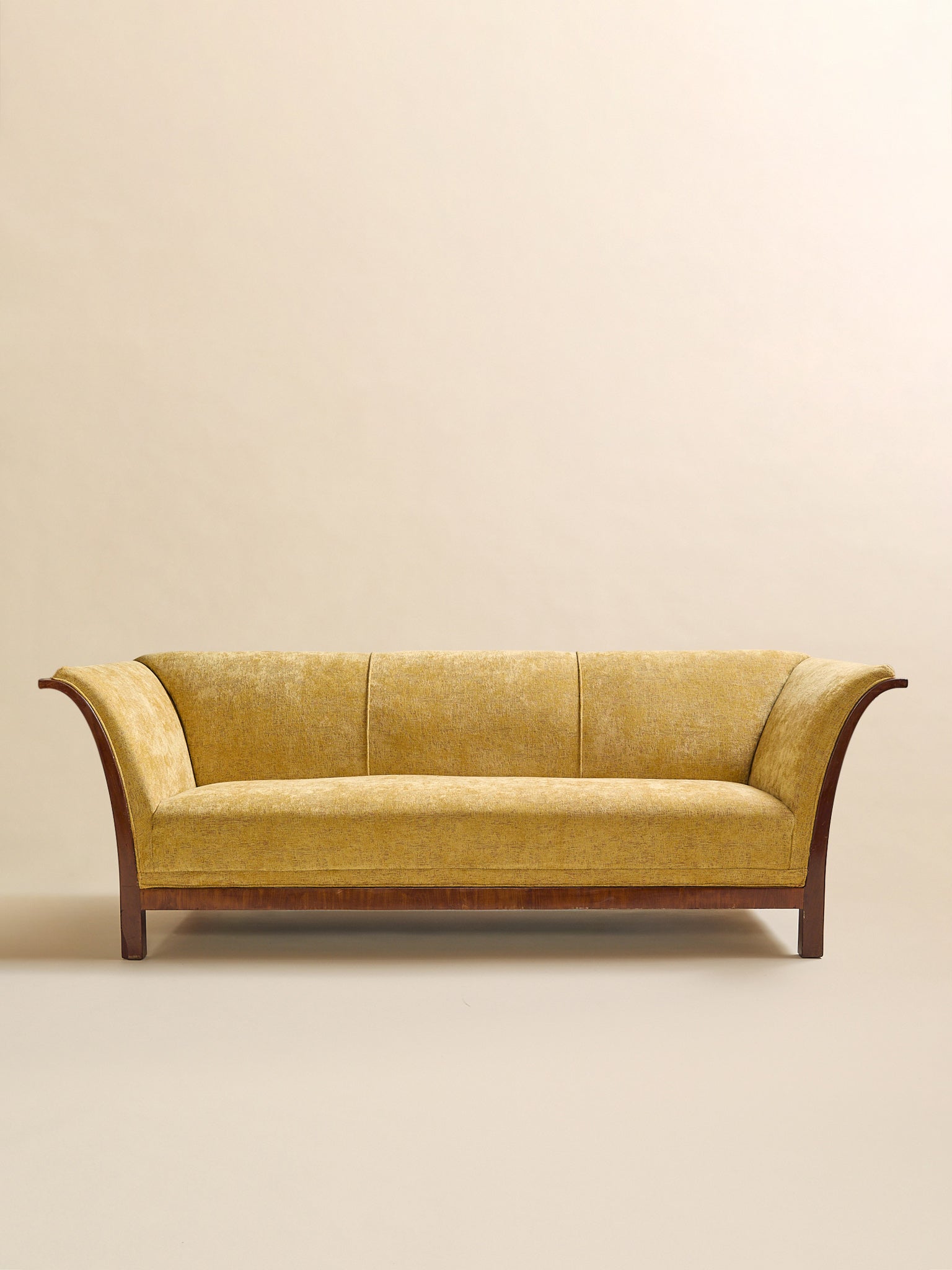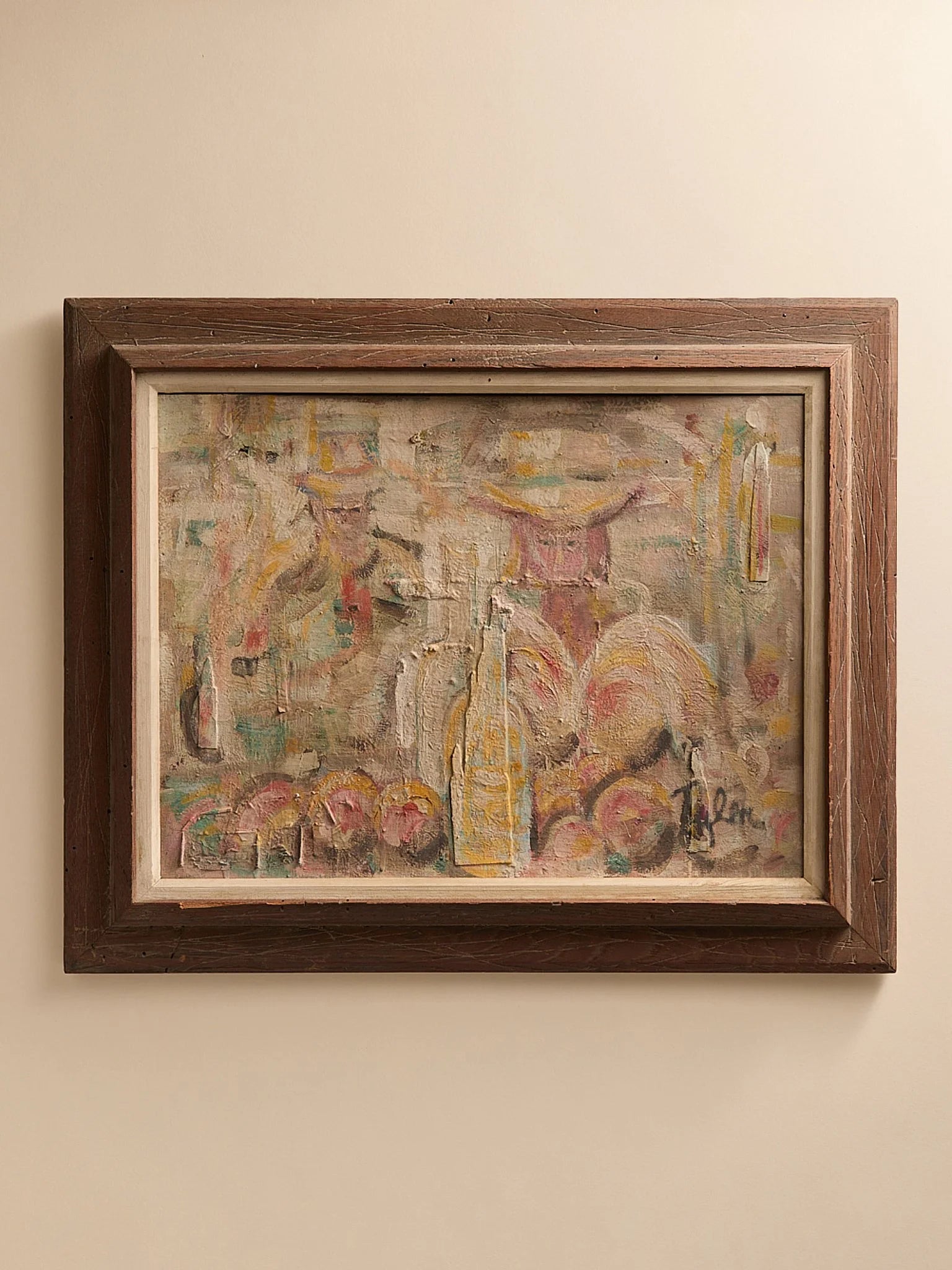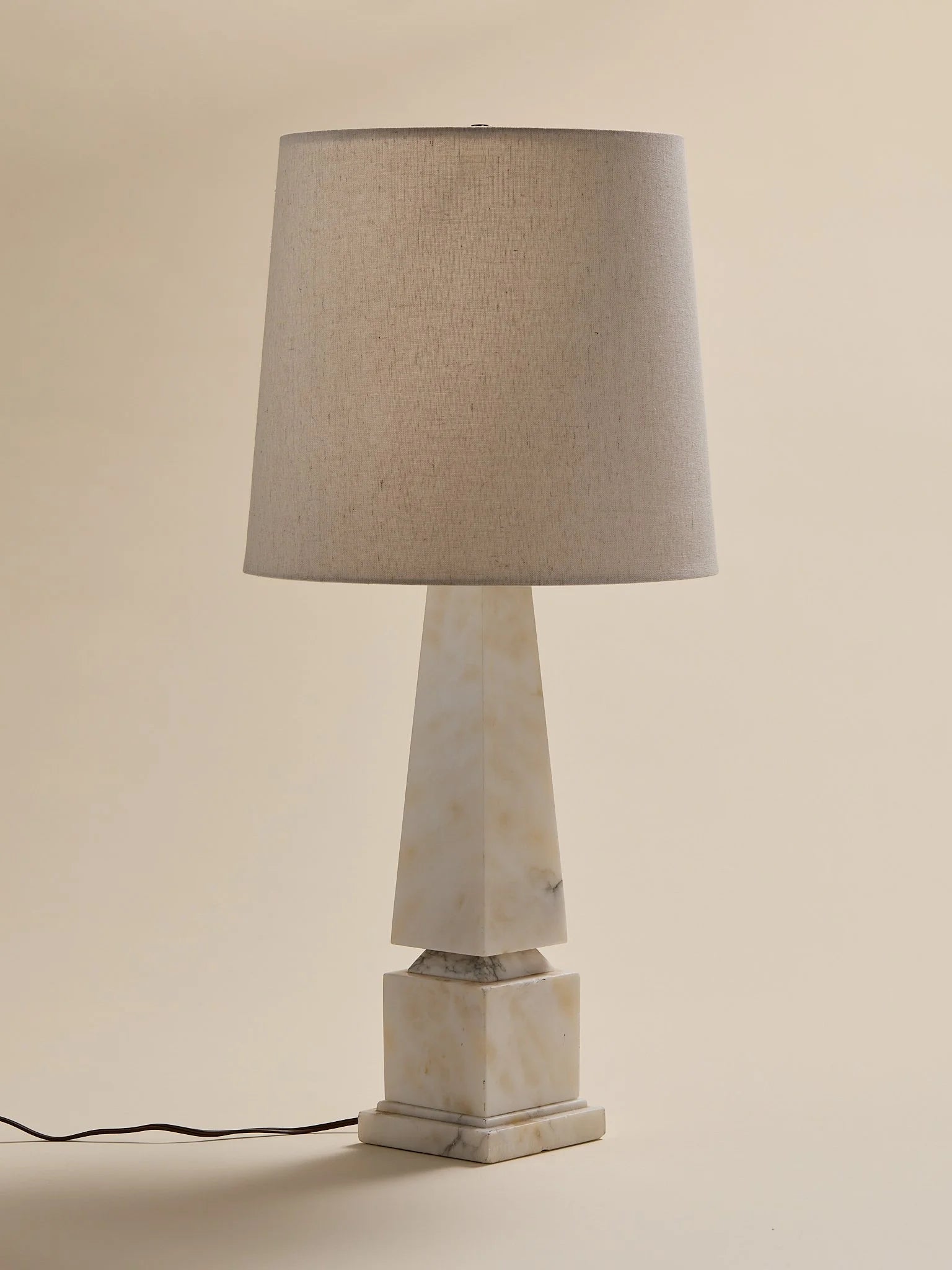

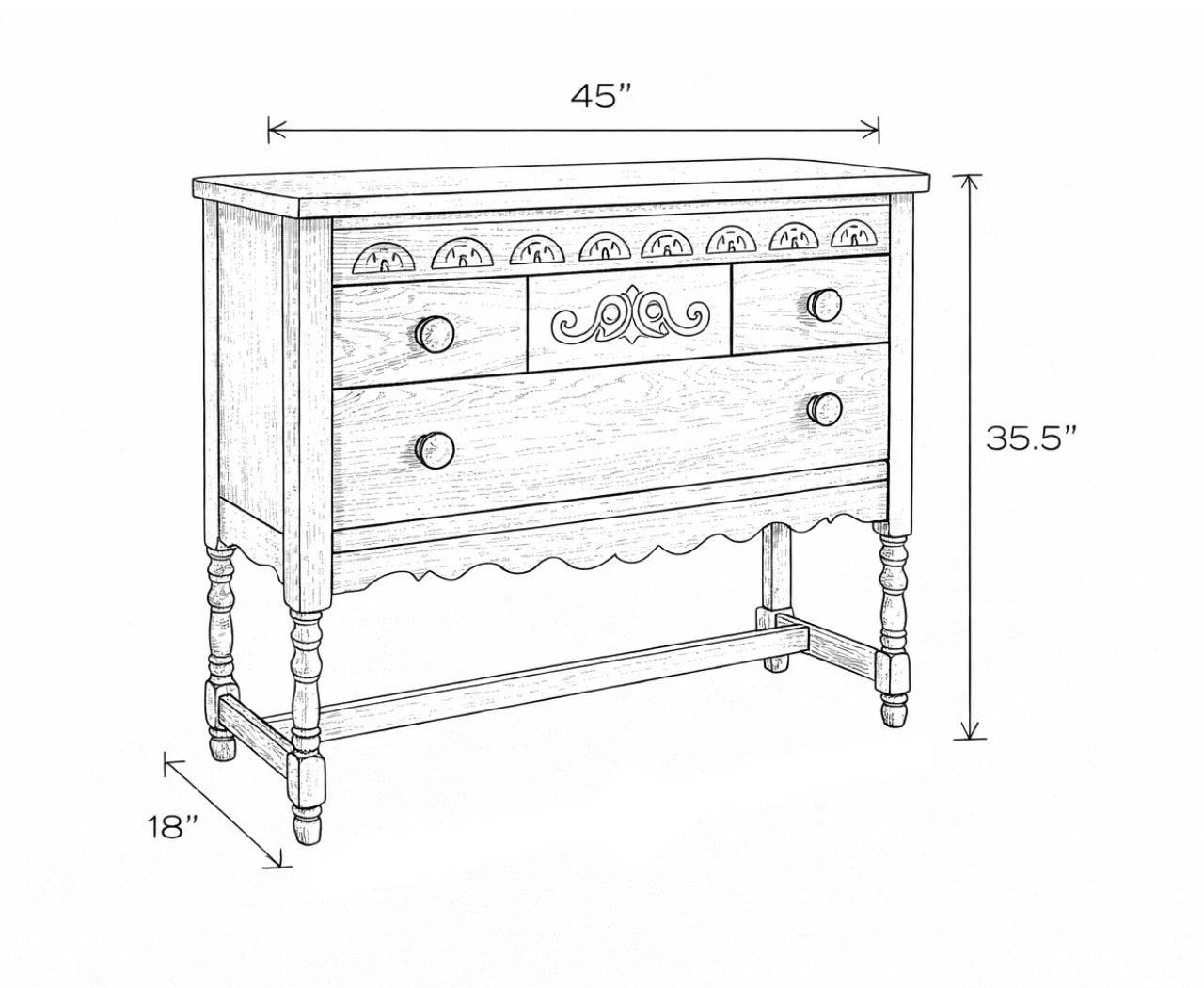
One of the most important parts of buying vintage furniture is understanding how a piece will fit, not just physically, but visually. A piece can technically fit in a room and still feel too bulky, too small, or out of proportion with everything around it.
Start by measuring the area where the piece will live. Note the maximum width, depth, and height you can accommodate, then give yourself some breathing room so the room does not feel overcrowded. If you are buying a dining table, think about space for chairs to pull out comfortably. If you are looking at a dresser or sideboard, make sure drawers and doors can open easily.
It is also important to measure access points. Vintage furniture is often larger, heavier, and less flexible than newer flat-pack furniture, so be sure to measure doorways, stairwells, hallways, elevators, and tight corners before purchasing.
A painter’s tape outline on the floor can be incredibly helpful. Marking out the exact footprint of a vintage coffee table, dresser, or console gives you a much better sense of scale than numbers alone. For taller pieces, try using painter’s tape on the wall to visualize overall height.
When in doubt, compare the piece to something you already own. If a side table is listed as 28 inches wide, measure a table in your home with a similar width so you can better picture what that means in real life.
At Miscellanea, we include dimensions to help customers shop more confidently, but it is always worth taking an extra few minutes to map a piece out in your home before purchasing. That little step can make all the difference.
Before you buy, measure:
-
Your floor space
-
Doorways & stairways
-
Clearance for drawers, doors, and leg space
-
Height relative to nearby furniture
-
Walking space around the piece